EL ÚLTIMO AMANECER DE MARÍA ANTONIETA: SERENIDAD, EXPIACIÓN Y MEMORIA ANTE LA GUILLOTINA DEL 16 DE OCTUBRE
ART ESP / ING
Institut Royaliste Saint-Denis
Palabras clave: María Antonieta, ejecución de María Antonieta, 16 de octubre, Revolución Francesa, reina de Francia, juicio del Terror, memoria histórica.
La niebla sobre la Conciergerie
París amaneció con un frío áspero el 16 de octubre de 1793. En las profundidades húmedas de la Conciergerie, la prisión conocida sombríamente como la antecámara de la muerte, una mujer de apenas treinta y siete años aguardaba el desenlace final de una vida marcada por los extremos de la opulencia y el despojo absoluto. A María Antonieta ya no le quedaba corona, ni joyas, ni corte. Su cabello, rubio ceniza en los días dorados de Versalles, se había tornado prematuramente blanco por el dolor de los meses precedentes: el confinamiento en la torre del Temple, la separación forzosa de sus hijos y la ejecución de su esposo, Luis XVI, diez meses antes.
Aquella mañana no vestía los brocados ni las muselinas que en su juventud dictaron la moda de todo el continente europeo. En su lugar, eligió un sobrio vestido blanco de piqué, el color tradicional del luto para las reinas de Francia en el Antiguo Régimen, desafiando en silencio las imposiciones de sus carceleros. Despojada de cualquier adorno, conservaba no obstante una presencia intacta. Los guardias que custodiaban su celda observaron cómo, tras una noche en vela alumbrada por una vela macilenta y dedicada a redactar su célebre testamento espiritual a Madame Isabel, la soberana depuesta se lavaba las manos y ajustaba su cofia con meticulosidad monástica. En ese instante exacto concluía la caricatura de frivolidad que la propaganda revolucionaria había construido meticulosamente y comenzaba la forja de una figura trágica cuya dignidad superó cualquier expectativa histórica.
La maquinaria política del Terror y el proceso judicial
Para comprender el destino de María Antonieta no basta con observar el desenlace sobre el tablado de madera. La Francia del otoño de 1793 se desangraba bajo la presión de las guerras de coalición exterior y los alzamientos internos en la Vendée. El Comité de Salvación Pública, liderado por figuras intransigentes que veían conspiraciones en cada esquina, necesitaba sacrificios ejemplarizantes. La ejecución de la reina no respondió a un acto judicial ordinario, sino a una operación puramente política orquestada por el Terror jacobino.
Durante meses, los panfletos clandestinos y la prensa radical dirigida por plumas como la de Jacques-René Hébert habían vertido sobre la figura de la soberana acusaciones hiperbólicas de traición, derroche patológico y perversión moral. La llamaban con desdén "Madame Déficit" o "la austríaca", proyectando sobre su cuerpo todas las culpas colectivas del endeudamiento fiscal y la bancarrota del reino. Sin embargo, cuando el Tribunal Revolucionario la sentó en el banquillo el 14 de octubre, el fiscal Fouquier-Tinville carecía de pruebas concluyentes para sostener las imputaciones más grotescas.
El momento culminante de ese juicio irregular ocurrió cuando la acusaron falsamente de incesto contra su hijo pequeño, el Delfín, un niño quebrado y adoctrinado por su custodio el zapatero Simon. María Antonieta guardó silencio al principio. Cuando los jueces le exigieron una respuesta, se levantó con un porte sereno y pronunció palabras que conmovieron incluso a las mujeres que abarrotaban la sala para insultarla: apeló a todas las madres presentes sobre la imposibilidad moral de semejante infamia. El silencio que siguió a su intervención reveló la incomodidad moral del propio tribunal. Pero el veredicto estaba redactado mucho antes de abrir la sesión: la culpabilidad por alta traición y conspiración con las potencias extranjeras selló su sentencia de muerte antes de la medianoche del 15 de octubre.
Las virtudes eclipsadas: templanza, lealtad y rectitud
La historiografía contemporánea ha desmontado con rigor muchos de los mitos denigrantes que rodearon su figura. A María Antonieta se le atribuyó falsamente la célebre frase sobre dar pasteles a los hambrientos, un adagio apócrifo atribuido ya a otras princesas décadas antes de su llegada a Versalles. Lo que permaneció oculto tras la calumnia sistemática fue un conjunto de cualidades personales que cobraron verdadera dimensión durante su calvario carcelario.
La primera de ellas fue una lealtad familiar inquebrantable. Aunque su matrimonio con Luis XVI comenzó como un frío pacto geopolítico entre los Habsburgo y los Borbones orquestado por su madre, la emperatriz María Teresa de Austria, la reina desarrolló un afecto genuino, compasivo y leal hacia su marido, a quien sostuvo en sus momentos de indecisión crónica y debilidad política. En la reclusión, su entrega materna fue absoluta, priorizando la educación y el consuelo de sus hijos por encima de su propia integridad física y bienestar personal.
Asimismo, demostró una templanza que desconcertó a sus enemigos. Aquella princesa austríaca a la que acusaron de superficialidad mostró en la adversidad un temple estoico, una fe religiosa despojada de fanatismo y una total ausencia de resentimiento hacia sus verdugos. En la carta final dirigida a su cuñada, escribió con firmeza cristiana que perdonaba a todos sus enemigos y rogaba a sus hijos que jamás buscaran vengar su muerte ni la de su padre. Esa capacidad para trascender el odio en medio de la persecución política más despiadada constituye uno de los testimonios de nobleza interior más elocuentes de su época.
La carreta abierta y la marcha fúnebre por París
A las once de la mañana de aquel 16 de octubre, el verdugo Henri Sanson entró en la celda para cumplir con el protocolo de la ejecución. Le ataron las manos fuertemente a la espalda y le cortaron los cabellos para despejar el cuello. A diferencia de Luis XVI, a quien se le concedió el traslado al cadalso en una carroza cerrada, a María Antonieta se le negó cualquier privilegio de cortesía. Fue obligada a subir a una carreta abierta de madera común, expuesta a la intemperie y a la burla pública.
El pintor Jacques-Louis David, ferviente partidario jacobino, presenció la escena desde una ventana a lo largo de la calle Saint-Honoré y trazó un dibujo rápido a pluma que ha pasado a la posteridad. El boceto capta la realidad descarnada: una mujer demacrada pero sentada con la espalda erguida, los labios apretados, la mandíbula firme y la mirada clavada en la lejanía, ignorando el clamor ensordecedor de la muchedumbre congregada a ambos lados del camino.
El trayecto duró más de una hora a través de las calles adoquinadas. Cerca de treinta mil soldados y milicianos formaban un cordón militar para evitar cualquier intento de rescate. La multitud profería gritos de júbilo y consignas revolucionarias, pero la reina no bajó la cabeza ni un solo instante. El sacerdote constitucional que le asignaron como confesor oficial intentó ofrecerle palabras de resignación, pero ella, fiel a su conciencia católica romana y a los sacerdotes no juramentados, declinó amablemente su consuelo espiritual formal, manteniéndose en un diálogo interior silencioso.
La Plaza de la Revolución y las últimas palabras
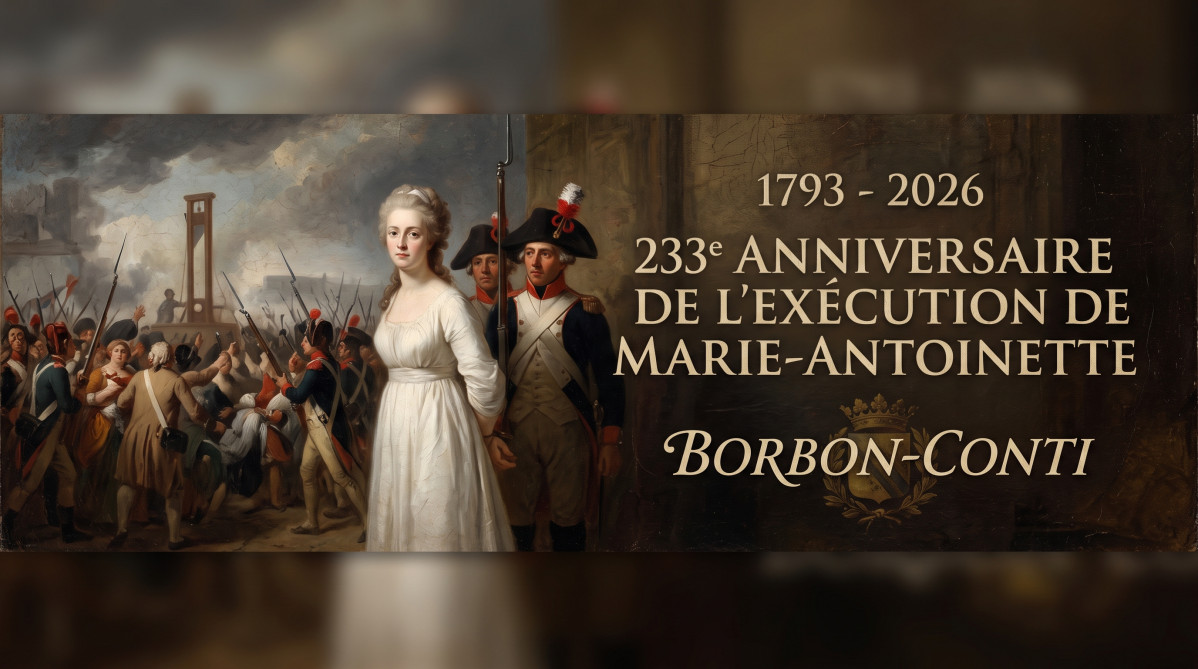
Al llegar a la actual Plaza de la Concordia, entonces llamada Plaza de la Revolución, la carreta se detuvo ante la estructura de la guillotina, erigida cerca del pedestal que antaño sostenía la estatua ecuestre de su suegro, Luis XV. María Antonieta bajó de la carreta sin titubear y subió los escalones del patíbulo con ligereza y determinación, a pesar de las ataduras que le inmovilizaban los brazos.
Al pisar la plataforma, tropezó accidentalmente con el pie del verdugo Sanson. En lugar de un gesto de temor o un exabrupto desesperado, la reina articuló sus últimas palabras registradas por la historia: "Perdóneme, señor; no lo hice a propósito". Esa cortesía instintiva, pronunciada a escasos segundos de la decapitación, resumió la esencia irreductible de su carácter: la dignidad, la educación y la serenidad no eran una máscara cortesana que pudiera arrancarse junto a la corona, sino una condición intrínseca de su ser.
A las doce y cuarto del mediodía, la cuchilla cayó. Sanson levantó la cabeza ensangrentada ante los asistentes, que estallaron en gritos de "¡Viva la República!". El cuerpo de la reina fue arrojado sin honras fúnebres en una fosa común del cementerio de la Madeleine, cubierto con cal viva para acelerar su descomposición.
Homenaje y memoria a través de los siglos
Cada 16 de octubre, la memoria histórica vuelve su mirada hacia aquel mediodía parisino no solo para evocar la muerte de una soberana destronada, sino para reflexionar sobre los abismos de la intolerancia ideológica y la injusticia colectiva. La ejecución de María Antonieta no resolvió las penurias económicas del pueblo francés ni detuvo la sangría del Terror; de hecho, apenas meses después, muchos de los jueces, periodistas y tribunos que celebraron su decapitación sufrieron idéntico destino bajo la misma cuchilla.
Rendir tributo a María Antonieta en este aniversario significa rescatar la humanidad real de una mujer sepultada durante siglos bajo el peso de la propaganda política. Su figura encarna el tránsito doloroso entre dos eras incompatibles: el fin irrevocable de las monarquías absolutas y el nacimiento convulso y sangriento de la modernidad política. Más allá de los errores de cálculo político propios de la corte de Versalles, su entereza frente al linchamiento moral, su lealtad filial y la templanza majestuosa con la que encaró el cadalso constituyen virtudes que la historia, una vez despojada de las pasiones coyunturales, ha terminado por restituirle con indiscutible justicia.
English Version
Marie Antoinette's Final Dawn: Serenity, Expiation, and Memory Before the Guillotine of October 16
Institut Royaliste Saint-Denis
Keywords: Marie Antoinette, execution of Marie Antoinette, October 16, French Revolution, Queen of France, Reign of Terror trial, historical memory.
The Fog Over the Conciergerie
Paris awoke to a sharp chill on October 16, 1793. In the damp depths of the Conciergerie, the prison grimly known as death's antechamber, a woman barely thirty-seven years old awaited the final conclusion of a life defined by the extremes of opulence and utter dispossession. Marie Antoinette had no crown left, no jewels, no court. Her hair, an ash-blonde during the golden days of Versailles, had turned prematurely white from the agony of the preceding months: the confinement in the Temple tower, the forced separation from her children, and the execution of her husband, Louis XVI, ten months earlier.
That morning she wore neither the brocades nor the muslins that had dictated the fashion of the entire European continent during her youth. Instead, she chose a plain white piqué dress, the traditional color of mourning for the queens of France under the Ancien Régime, silently defying the impositions of her jailers. Stripped of every ornament, she nevertheless retained an intact presence. The guards posted outside her cell observed how, after a sleepless night illuminated by a single dim candle and dedicated to drafting her famous spiritual testament to Madame Élisabeth, the deposed sovereign washed her hands and straightened her cap with monastic care. At that exact moment, the caricature of frivolity meticulously crafted by revolutionary propaganda vanished, giving way to the forging of a tragic figure whose dignity surpassed every historical expectation.
The Political Machinery of the Terror and the Judicial Trial
Understanding the fate of Marie Antoinette requires more than merely observing the final scene upon the wooden scaffold. The France of autumn 1793 was bleeding under the pressure of foreign coalition wars and internal uprisings in the Vendée. The Committee of Public Safety, led by unyielding ideologues who saw conspiracies around every corner, needed exemplary sacrifices. The queen's execution was not the outcome of an ordinary judicial proceeding, but rather a purely political operation orchestrated by the Jacobin Terror.
For months, clandestine pamphlets and the radical press directed by writers such as Jacques-René Hébert had heaped hyperbolic accusations of treason, pathological extravagance, and moral perversion upon the sovereign. They referred to her with disdain as "Madame Deficit" or "the Austrian," projecting onto her body all the collective blame for the fiscal deficit and the bankruptcy of the realm. However, when the Revolutionary Tribunal placed her in the prisoner's dock on October 14, prosecutor Fouquier-Tinville lacked conclusive evidence to sustain the most grotesque charges.
The climactic moment of that irregular trial occurred when she was falsely accused of incest against her young son, the Dauphin, a broken child thoroughly manipulated by his guardian, the cobbler Simon. Marie Antoinette remained silent at first. When the judges demanded an answer, she stood with serene poise and uttered words that moved even the women who had crowded the chamber to revile her: she appealed to every mother present regarding the moral impossibility of such an infamy. The stunned silence that followed her intervention revealed the moral unease of the tribunal itself. Yet the verdict had been settled long before the session opened: her conviction for high treason and conspiracy with foreign powers sealed her death sentence before midnight on October 15.
Eclipsed Virtues: Fortitude, Loyalty, and Rectitude
Modern historiography has rigorously dismantled many of the slanderous myths surrounding her legacy. Marie Antoinette was falsely attributed the infamous line advising the starving population to eat cake, an apocryphal remark already associated with other princesses decades before her arrival at Versailles. What remained hidden beneath the systematic calumny was a set of personal virtues that came to full light during her prolonged imprisonment.
Foremost among these was an unwavering family loyalty. Although her marriage to Louis XVI began as a cold geopolitical compact between the Habsburgs and the Bourbons arranged by her mother, Empress Maria Theresa of Austria, the queen developed a genuine, compassionate, and steadfast devotion toward her husband, supporting him through his chronic indecision and political weakness. In captivity, her maternal dedication was absolute, placing the education and comfort of her children above her own physical health and personal safety.
Moreover, she demonstrated a fortitude that confounded her captors. That Austrian princess once accused of superficiality displayed an austere stoicism in adversity, a deep religious faith devoid of fanatacism, and a total absence of vindictiveness toward her executioners. In her final letter to her sister-in-law, she wrote with Christian resolve that she forgave all her enemies and pleaded with her children never to seek vengeance for her death or that of their father. That capacity to transcend hatred in the midst of merciless political persecution stands as one of the most eloquent testaments to inner nobility of her era.
The Open Cart and the Funeral Procession Through Paris
At eleven in the morning on that October 16, the executioner Henri Sanson entered the cell to carry out the preparations for the execution. Her hands were bound tightly behind her back, and her hair was shorn to leave her neck bare. Unlike Louis XVI, who had been granted the relative courtesy of a closed carriage to the scaffold, Marie Antoinette was denied every consideration. She was forced to mount an open, common wooden cart, exposed to the elements and to public mockery.
The painter Jacques-Louis David, a committed Jacobin partisan, watched the scene unfold from a window along the Rue Saint-Honoré and produced a rapid pen-and-ink sketch that has endured through centuries. The drawing captures the unvarnished reality: a haggard woman seated with her back straight, lips set, jaw firm, and eyes fixed straight ahead, disregarding the deafening roar of the hostile crowd gathered on either side of the street.
The journey lasted over an hour across the cobblestone streets. Roughly thirty thousand soldiers and national guardsmen formed a military cordon to suppress any possible rescue attempt. The crowds chanted slogans and revolutionary anthems, yet the queen did not lower her head for a single moment. The constitutional priest assigned to her as an official confessor attempted to offer words of resignation, but she, faithful to her conscience and to the non-juring clergy, politely declined his formal services, remaining absorbed in silent internal prayer.
The Place de la Révolution and the Final Words
Upon arriving at what is today the Place de la Concorde, then known as the Place de la Révolution, the cart came to a halt before the structure of the guillotine, erected near the pedestal that had previously borne the equestrian statue of her father-in-law, Louis XV. Marie Antoinette stepped down without hesitation and climbed the wooden steps of the scaffold with light and purposeful steps, despite the tight cords binding her wrists.
As she reached the platform, she accidentally stepped on the foot of the executioner Sanson. Rather than crying out in fear or uttering a frantic lament, the queen spoken her last words recorded by history: "Pardon me, sir; I did not do it on purpose." That instinctive courtesy, spoken moments before decapitation, summarized the irrepressible core of her identity: grace, decorum, and composure were not an artificial courtly veneer to be discarded alongside the crown, but an essential component of her character.
At twelve-fifteen in the afternoon, the blade fell. Sanson held up the severed head before the gathered spectators, who erupted into shouts of "Long live the Republic!". The queen's body was thrown without ceremony into a common grave in the Madeleine cemetery, covered in quicklime to accelerate decomposition.
Homage and Historical Memory Across Centuries
Every October 16, historical reflection returns to that Parisian midday not merely to recall the death of a dethroned monarch, but to ponder the depths of ideological intolerance and collective retribution. The execution of Marie Antoinette solved neither the economic misery of the French populace nor the violence of the Terror; indeed, only months later, many of the very judges, journalists, and politicians who celebrated her demise met an identical end beneath the same blade.
Paying tribute to Marie Antoinette on this anniversary means recovering the authentic humanity of a woman buried for centuries under the sediment of political caricature. Her figure embodies the tragic collision between two irreconcilable worlds: the final collapse of absolute monarchy and the convulsive, violent birth of modern politics. Beyond the political miscalculations inherent to the court of Versailles, her steadfastness in the face of moral destruction, her devotion to her family, and the majestic serenity with which she ascended the scaffold represent virtues that history, once freed from temporal passions, has rightfully restored to her memory.