EL OCASO DE MARÍA ANTONIETA Y EL ANTIGUO RÉGIMEN: GEOPOLÍTICA, NOBLEZA FIEL Y EL PESO SAGRADO DE LA CORONA FRANCESA ANTE EL LEVANTAMIENTO DEL TERROR
ART ESP / ING
The Twilight of Marie Antoinette and the Ancien Régime: Geopolitics, the Loyal Nobility, and the Sacred Weight of the French Crown in the Face of the Terror
Institut Royaliste Saint-Denis
Palabras Clave: María Antonieta y el Antiguo Régimen, levantamiento del Terror en Francia, geopolítica francesa del siglo XVIII, nobleza fiel a la monarquía, sacralidad de la corona francesa, protección de San Miguel y San Denis, ocaso de Versalles.
El Espejismo de Versalles y el Tablero Geopolítico del Siglo XVIII
Cuando la archiduquesa María Antonieta de Austria cruzó la frontera hacia Francia en mayo de 1770, en una ceremonia de entrega realizada en una isla neutral sobre el río Rin, no caminaba simplemente hacia un matrimonio dinástico con el delfín Luis Augusto. Aquella adolescente de catorce años era la pieza central de una audaz jugada maestra conocida en las cancillerías europeas como la inversión de las alianzas. Durante siglos, los Borbones de Francia y los Habsburgo de Viena habían mantenido una rivalidad irreconciliable que desangró al continente en innumerables campos de batalla. Sin embargo, el ascenso meteórico de Prusia bajo Federico el Grande y la implacable hegemonía marítima y colonial de Gran Bretaña obligaron a Versalles y a Viena a firmar una paz incómoda. El cuerpo joven de la futura reina era el sello viviente de aquel tratado, una garantía de estabilidad continental que, paradójicamente, llevaba en su interior la semilla de su propia destrucción.
Para comprender la vida de María Antonieta y el Antiguo Régimen antes de su trágico desenlace en el cadalso, resulta indispensable analizar la asfixiante realidad de la geopolítica francesa del siglo XVIII. Francia no era un Estado quebrado por el capricho exclusivo de una corte derrochadora, como la propaganda revolucionaria haría creer más tarde a las masas hambrientas de París. La verdadera sangría financiera de la monarquía provenía de su eterna pugna contra el Imperio Británico por el dominio global. Tras la humillante Guerra de los Siete Años, en la que Francia perdió sus posesiones en América del Norte y vio mermada su influencia en la India, la corona buscó una revancha estratégica. Esa oportunidad llegó con la Guerra de Independencia de los Estados Unidos. El gobierno de Luis XVI destinó sumas astronómicas, flotas enteras y regimientos de élite para asegurar la emancipación de las trece colonias, logrando asestar un golpe geopolítico devastador a Londres, pero hipotecando de manera irreversible el tesoro real francés.
En ese contexto de tensión fiscal extrema y reconfiguración del poder mundial, María Antonieta fue percibida por una facción importante de la vieja corte y del pueblo llano no como una consorte real, sino como una agente extranjera. El apodo de l'Autrichienne (la Austriaca), que en un juego fonético malicioso en francés evocaba la palabra chienne (perra), no fue una invención espontánea de los jacobinos en 1792, sino un veneno incubado décadas antes en los propios pasillos de Versalles por el partido antiaustriaco, liderado incluso por tías del propio rey y príncipes de sangre recelosos de la influencia de Viena. Cada movimiento de la reina, desde su desdén inicial por la asfixiante etiqueta palaciega creada por Luis XIV hasta su refugio bucólico en el Petit Trianon y la aldea de la Reina, era interpretado en clave política. Al retirarse a su dominio privado con un círculo íntimo de favoritos como la duquesa de Polignac, María Antonieta rompió sin querer el contrato visual de la monarquía absoluta: el rey y la reina debían ser públicos, accesibles a la mirada constante de la aristocracia cortesana que justificaba su propia existencia sirviendo a la persona real. Al cerrar las puertas de su intimidad, dejó a gran parte de la alta nobleza fuera del reparto de gracias y pensiones, alimentando un resentimiento aristocrático que redactó los primeros panfletos difamatorios mucho antes de que el Tercer Estado tomara la palabra.
El Peso Inmortal de la Corona: Bajo el Manto de San Denis y la Espada de San Miguel
En la mentalidad tradicional de Francia, la monarquía no era una simple magistratura administrativa ni un contrato revocable entre gobernantes y gobernados. La corona francesa poseía una naturaleza mística, casi sacerdotal, forjada desde el bautismo de Clodoveo en Reims a finales del siglo V. Durante la consagración real, el monarca era ungido con el óleo de la Santa Ampolla, un bálsamo que, según la tradición, había sido traído del cielo por una paloma. Este rito transformaba al rey de Francia en el Roi Très-Chrétien (el Rey Cristianísimo), un personaje sagrado dotado incluso del poder taumatúrgico de curar la escrófula con el simple roce de sus manos. La sacralidad de la corona francesa descansaba sobre el principio jurídico y teológico de su inmortalidad: el individuo físico podía fallecer, pero la dignidad real jamás moría, resumida en la célebre proclamación ceremonial en la que se anunciaba la muerte del monarca seguida de inmediato por el grito de júbilo al nuevo soberano.
Esta arquitectura espiritual estaba custodiada por dos figuras celestiales que definían la identidad misma del reino: la protección de San Miguel y San Denis. San Denis (Dionisio de París), primer obispo de la capital y mártir cefalóforo que caminó sosteniendo su propia cabeza cercenada hasta el lugar de su sepultura al norte de la ciudad, era el patrono especial de la dinastía. La abadía real de Saint-Denis no era únicamente el panteón donde reposaban los restos mortales de los reyes desde tiempos merovingios, sino el santuario donde se custodiaba la Oriflama, el estandarte sagrado de seda roja que solo se desplegaba cuando el reino entero corría un peligro existencial y no se daba cuartel al enemigo. El grito de guerra ancestral de la caballería francesa, Montjoie Saint-Denis, invocaba directamente esa alianza mística entre el cielo y la estirpe real.
Por su parte, el arcángel San Miguel representaba el brazo armado de la justicia divina y la soberanía inquebrantable de Francia frente a las potencias extranjeras y el caos interno. Desde su santuario en el monte escarpado de Normandía, que jamás pudo ser tomado por los ingleses durante la Guerra de los Cien Años, hasta la creación de la Orden de San Miguel por Luis XI en 1469, el príncipe de la milicia celestial simbolizaba la victoria del orden sagrado sobre el dragón de la rebelión y la herejía. Para Luis XVI y, con el paso de los años, para una María Antonieta que asumió con fiereza la defensa del trono de sus hijos, ceder la soberanía real ante las exigencias de la Asamblea Nacional no era una simple concesión política hacia una monarquía constitucional al estilo británico; era una traición metafísica, un sacrilegio contra un depósito sagrado que no les pertenecía a título personal, sino que debían transmitir intacto al Delfín bajo la mirada severa de San Denis y San Miguel.
La Verdadera Esencia de la Nobleza y la Fidelidad hasta el Cadalso
En este universo de símbolos eternos, el concepto de qué significaba ser noble iba mucho más allá de los privilegios fiscales o del derecho exclusivo a portar espada y lucir tacones rojos en la Galería de los Espejos. Históricamente, la aristocracia francesa se concebía a sí misma a través del impôt du sang, el impuesto de la sangre. Si el clero rezaba por la salvación del reino y el pueblo llano trabajaba la tierra y pagaba tributos monetarios, la nobleza justificaba su preeminencia social mediante su disposición permanente a morir en el campo de batalla en defensa del soberano y de la fe. Ser noble era una ética del honor, una obligación de servicio vertical en la que la lealtad personal al ungido de Dios prevalecía sobre la propia supervivencia o el interés material.
Es cierto que, cuando estalló la tormenta en 1789 tras la caída de la Bastilla y la abolición de los derechos feudales en la noche del 4 de agosto, una parte considerable de la aristocracia optó por el camino de la emigración. Dirigidos por el conde de Artois, hermano menor del rey, miles de nobles cruzaron el Rin hacia Coblenza o se refugiaron en Londres y Turín con la intención de formar un ejército contrarrevolucionario que liberara a la familia real por la fuerza de las armas. Sin embargo, la historia suele pasar por alto la tragedia silenciosa y heroica de la nobleza fiel a la monarquía que permaneció en suelo francés, decidida a formar un escudo humano alrededor de Luis XVI y María Antonieta cuando el palacio de las Tullerías se convirtió en una prisión dorada a merced de las picas de las secciones parisinas.
La vida de María Antonieta y el Antiguo Régimen en sus últimos años estuvo marcada por la transformación radical de la reina. La joven frívola que antaño buscaba distracciones en los bailes de máscaras de la Ópera de París dio paso a una mujer de Estado de una entereza sobrecogedora, a quien el conde de Mirabeau llegó a describir como el único hombre que el rey tenía a su lado. Tras el fracaso de la huida a Varennes en junio de 1791, donde la familia real fue reconocida y devuelta a París en medio de un silencio sepulcral y hostil, el círculo de leales se estrechó hasta convertirse en una hermandad de mártires anunciados.
Allí destacaron figuras que encarnaron la quintaesencia del honor nobiliario. La princesa de Lamballe, superintendente de la Casa de la Reina, se encontraba a salvo en Inglaterra cuando recibió noticias del peligro mortal que corría su soberana en un París radicalizado; sin dudarlo, redactó su testamento y regresó a las Tullerías para compartir el destino de su amiga, encontrando una muerte atroz en las masacres de septiembre de 1792 al negarse a jurar odio al rey y a la reina, tras lo cual su cabeza fue paseada en una pica bajo las ventanas de la prisión del Temple para que María Antonieta la viera. Del mismo modo, la marquesa de Tourzel, gobernanta de los Hijos de Francia, rechazó abandonar su puesto y acompañó a la familia real al encierro.
En el plano militar y cortesano, surgieron los llamados Chevaliers du Poignard (Caballeros del Puñal), cientos de gentilhombres de provincias y antiguos oficiales de los guardias de corps que acudían diariamente a las Tullerías armados con estoques y pistolas ocultas bajo sus casacas, dispuestos a dar su vida en caso de que la muchedumbre asaltara las estancias reales. En la fatídica jornada del 10 de agosto de 1792, cuando las campanas de París tocaron a rebato y los insurgentes apoyados por los federados marselleses atacaron el palacio, junto a los legendarios guardias suizos combatieron hasta el último aliento un puñado de nobles ancianos y jóvenes caballeros franceses que sabían que no tenían posibilidad alguna de victoria. Para ellos, el juramento feudal no era una reliquia retórica: cuando la institución monárquica se derrumbaba, el único lugar digno para un noble de sangre era al pie de la escalera de su rey, pagando con su vida aquella deuda ancestral contraída siglos atrás en las llanuras de Bouvines o Marignano.
El Levantamiento del Terror y la Profanación de lo Sagrado
La caída del trono el 10 de agosto de 1792 abrió las compuertas para el levantamiento del Terror en Francia, una maquinaria política e ideológica que no buscaba simplemente reformar el Estado, sino erradicar de raíz toda huella del pasado cristiano y monárquico para fundar una humanidad nueva a golpe de decreto y guillotina. El traslado de la familia real a la sombría torre medieval del Temple marcó el inicio del calvario final de María Antonieta. Allí, despojada de todo atributo regio, vigilada día y noche por comisarios municipales que le lanzaban humo de tabaco a la cara y entonaban canciones obscenas, la hija de la emperatriz María Teresa demostró una dignidad estoica que impresionó incluso a algunos de sus carceleros.
La ejecución de Luis XVI el 21 de enero de 1793 no sació la sed de la Convención Nacional ni detuvo la escalada bélica en las fronteras. Con la formación de la Primera Coalición europea y el estallido de la sublevación campesina y realista en la región de la Vendée, donde labradores y nobles locales luchaban hombro con hombro bajo el emblema del Sagrado Corazón por Dios y por el Rey, la República jacobina liderada por Robespierre, Danton y Saint-Just instauró el Terror como sistema de gobierno. El Comité de Salvación Pública y el Tribunal Revolucionario convirtieron el miedo en el cemento de la unidad nacional. La Ley de Sospechosos llenó las cárceles de París de nobles que no habían querido emigrar, sacerdotes refractarios que se negaban a someterse a la constitución civil del clero, magistrados del antiguo Parlamento e incluso ciudadanos humildes acusados de tibieza republicana.
Para el régimen del Terror, la figura de María Antonieta, reducida ahora en las actas oficiales al nombre de "la viuda Capeto", seguía siendo un peligro simbólico intolerable. En agosto de 1793, tras haberle arrebatado a su hijo pequeño, el delfín Luis Carlos (para los monárquicos, ya Luis XVII), con el fin de reeducarlo bajo la tutela del zapatero Antoine Simon y volverlo contra su propia madre, la reina fue trasladada en plena noche a una celda húmeda y lúgubre de la Conciergerie, la antesala de la muerte. El contraste entre el esplendor dorado de Versalles y aquel calabozo donde la humedad pudría sus últimos vestidos negros, remendados por ella misma con hilos sacados de los tapices de la pared, resumía con crueldad quirúrgica el fin de un mundo.
Simultáneamente, la Revolución emprendió un ataque directo contra la mística de la sacralidad de la corona francesa y la protección de San Miguel y San Denis. En el mismo mes de octubre de 1793 en que se juzgaba a la reina, la Convención ordenó la profanación sistemática de las tumbas reales de la basílica de Saint-Denis. Obreros revolucionarios abrieron con piquetas los sarcófagos de Dagoberto, de San Luis, de Francisco I, de Enrique IV y de Luis XIV, arrojando sus huesos y cuerpos embalsamados a fosas comunes cubiertas de cal viva para destruir la memoria física de la dinastía inmortal. La propia ciudad de Saint-Denis fue rebautizada como Franciade, y toda referencia a San Miguel fue borrada del espacio público, convirtiendo incluso la milenaria abadía del Mont-Saint-Michel en una prisión estatal apodada Mont-Libre. La Revolución comprendía perfectamente que no bastaba con cortar la cabeza del monarca viviente; era necesario asesinar el mito, profanar las reliquias de los santos protectores y demostrar al pueblo que el cielo permanecía mudo ante la destrucción del trono de Clodoveo.
El Juicio de la Reina Mártir y el Testamento de una Época
El proceso contra María Antonieta ante el Tribunal Revolucionario, iniciado el 14 de octubre de 1793 bajo la acusación implacable del fiscal Fouquier-Tinville, fue una parodia judicial cuyo veredicto estaba escrito de antemano. Se la acusó de haber dilapidado el tesoro nacional, de haber mantenido correspondencia secreta con los generales enemigos de Austria y de haber conspirado para asesinar a los patriotas franceses. Durante interminables horas de interrogatorio, con la salud quebrantada por severas hemorragias uterinas, el cabello completamente encanecido a sus treinta y siete años y casi ciega de un ojo, la reina se defendió con una lucidez y una precisión jurídica que desconcertaron a sus jueces. No comprometió a ninguno de los leales que habían intentado ayudarla en los complots de evasión como el del clavel, asumiendo toda la responsabilidad sobre sus propios hombros.
El momento culminante del juicio ocurrió cuando el periodista radical Hébert, basándose en declaraciones arrancadas mediante manipulación y alcohol al pequeño delfín de ocho años, acusó a María Antonieta del crimen contra natura de incesto con su propio hijo. Ante el silencio incómodo de la sala, y tras ser apremiada por el presidente del tribunal a responder, la reina se puso en pie con una majestad que recordó a todos los presentes quién era. Declaró que si no había respondido era porque la propia naturaleza se negaba a contestar a semejante acusación hecha a una madre, y apeló directamente a todas las madres que se encontraban en el público. Aquel grito de dignidad maternal provocó un murmullo de simpatía entre las mujeres de las tribunas, las mismas tricoteuses que solían pedir sangre a gritos, lo que enfureció a Robespierre cuando fue informado esa misma noche de que el tribunal había permitido a la "Austriaca" obtener una victoria moral en el estrado.
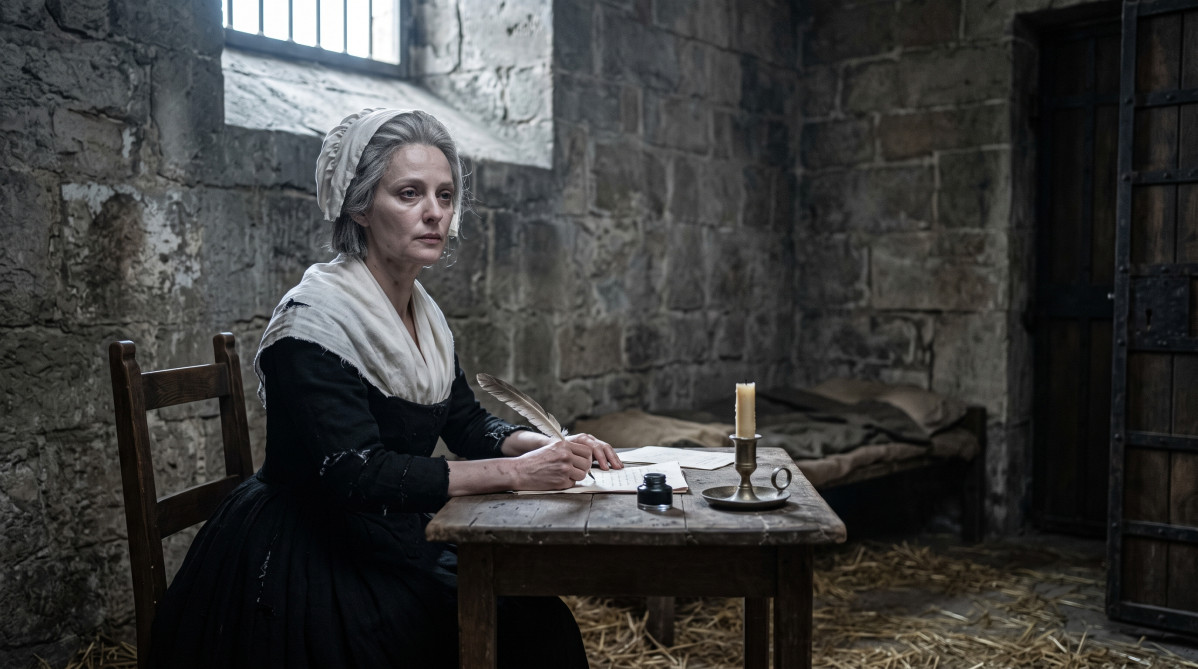
Condenada a muerte por alta traición en la madrugada del 16 de octubre, María Antonieta regresó a su celda de la Conciergerie para redactar a la luz de dos velas su última carta dirigida a su cuñada, Madame Élisabeth. En aquel documento, que nunca llegó a su destinataria en vida porque fue interceptado por Fouquier-Tinville, la reina no dejó rastro de odio ni de sed de venganza. Expresó una serenidad profundamente cristiana, pidió perdón por las faltas que hubiera podido cometer sin malicia, encomendó a sus hijos a la bondad de su tía y afirmó que moría en la religión católica, apostólica y romana, negándose pocas horas después a confesarse con el sacerdote constitucional que la República le envió a su celda por considerarlo cismático.
A la mañana siguiente, vestida de blanco —el color del luto de las reinas viudas de Francia—, con las manos atadas a la espalda y el cabello cortado a trasquilones por el verdugo Sanson, María Antonieta no fue conducida al patíbulo en una carroza cerrada como lo había sido Luis XVI nueve meses antes, sino en la carreta descubierta de los criminales comunes. A lo largo del lento trayecto por la calle Saint-Honoré hacia la plaza de la Revolución, soportó los insultos de la multitud con la espalda erguida, encarnando en su soledad todo el peso histórico de María Antonieta y el Antiguo Régimen. Al subir con paso firme los peldaños del cadalso y pisar accidentalmente el pie del verdugo, pronunció sus últimas palabras de cortesía aristocrática pidiendo disculpas por no haberlo hecho a propósito. Cuando la cuchilla cayó a las doce y cuarto del mediodía del 16 de octubre de 1793, el Terror creyó haber cerrado definitivamente un capítulo de mil años de historia europea; sin embargo, al despojar a la mujer de sus coronas terrenales, la tragedia la elevó a la categoría de icono imperecedero de una civilización que prefirió quebrarse antes que renunciar a la concepción sagrada de su destino.
English Version
The Twilight of Marie Antoinette and the Ancien Régime: Geopolitics, the Loyal Nobility, and the Sacred Weight of the French Crown in the Face of the Terror
Institut Royaliste Saint-Denis
Keywords: Marie Antoinette and the Ancien Régime, rise of the Terror in France, 18th-century French geopolitics, nobility loyal to the monarchy, sacrality of the French crown, protection of Saint Michael and Saint Denis, twilight of Versailles.
The Mirage of Versailles and the Eighteenth-Century Geopolitical Chessboard
When Archduchess Marie Antoinette of Austria crossed the border into France in May 1770, during a handover ceremony held on a neutral island in the Rhine River, she was not merely walking toward a dynastic marriage with the Dauphin Louis-Auguste. That fourteen-year-old adolescent was the centerpiece of an audacious masterstroke known in European chancelleries as the Diplomatic Revolution or the reversal of alliances. For centuries, the Bourbons of France and the Habsburgs of Vienna had maintained an irreconcilable rivalry that bled the continent across countless battlefields. However, the meteoric rise of Prussia under Frederick the Great and the relentless maritime and colonial hegemony of Great Britain forced Versailles and Vienna to sign an uneasy peace. The young body of the future queen was the living seal of that treaty, a guarantee of continental stability that, paradoxically, carried within itself the seed of its own destruction.
To understand the life of Marie Antoinette and the Ancien Régime prior to her tragic end on the scaffold, it is essential to analyze the suffocating reality of 18th-century French geopolitics. France was not a state bankrupted exclusively by the whims of a spendthrift court, as revolutionary propaganda would later lead the starving masses of Paris to believe. The true financial hemorrhage of the monarchy stemmed from its eternal struggle against the British Empire for global dominance. Following the humiliating Seven Years' War, in which France lost its possessions in North America and saw its influence in India severely diminished, the crown sought strategic revenge. That opportunity arrived with the American War of Independence. The government of Louis XVI allocated astronomical sums, entire naval fleets, and elite regiments to secure the emancipation of the thirteen colonies, managing to deal a devastating geopolitical blow to London while irreversibly mortgaging the French royal treasury.
Within that context of extreme fiscal tension and global power reconfiguration, Marie Antoinette was perceived by a significant faction of the old court and the common people not as a royal consort, but as a foreign agent. The nickname l'Autrichienne (the Austrian woman), which in a malicious French phonetic play evoked the word chienne (bitch), was not a spontaneous invention of the Jacobins in 1792, but a poison incubated decades earlier in the very corridors of Versailles by the anti-Austrian party, led even by the king's own aunts and princes of the blood suspicious of Vienna's influence. Every move made by the queen, from her initial disdain for the suffocating palace etiquette created by Louis XIV to her bucolic refuge at the Petit Trianon and the Queen's Hamlet, was interpreted through a political lens. By retreating to her private domain with an intimate circle of favorites such as the Duchess of Polignac, Marie Antoinette unwittingly broke the visual contract of absolute monarchy: the king and queen had to be public figures, accessible to the constant gaze of the court aristocracy that justified its own existence by serving the royal person. By closing the doors of her privacy, she left a large segment of the high nobility out of the distribution of favors and pensions, fueling an aristocratic resentment that drafted the first defamatory pamphlets long before the Third Estate ever took the floor.
The Immortal Weight of the Crown: Under the Mantle of Saint Denis and the Sword of Saint Michael
In the traditional mentality of France, the monarchy was not a simple administrative magistracy nor a revocable contract between rulers and the ruled. The French crown possessed a mystical, almost priestly nature, forged since the baptism of Clovis in Reims at the end of the fifth century. During the royal coronation, the monarch was anointed with oil from the Holy Ampulla, a balm that, according to tradition, had been brought down from heaven by a dove. This rite transformed the King of France into the Roi Très-Chrétien (the Most Christian King), a sacred figure endowed even with the thaumaturgical power to cure scrofula with the simple touch of his hands. The sacrality of the French crown rested upon the legal and theological principle of its immortality: the physical individual could pass away, but the royal dignity never died, summarized in the famous ceremonial proclamation announcing the death of the monarch followed immediately by the joyous cry hailing the new sovereign.
This spiritual architecture was guarded by two celestial figures who defined the very identity of the kingdom: the protection of Saint Michael and Saint Denis. Saint Denis (Dionysius of Paris), the first bishop of the capital and a cephalophoric martyr who walked holding his own severed head to his burial site north of the city, was the special patron of the dynasty. The royal abbey of Saint-Denis was not solely the pantheon where the mortal remains of kings had rested since Merovingian times, but the sanctuary where the Oriflamme was kept, the sacred red silk banner deployed only when the entire realm faced existential peril and no quarter was to be given to the enemy. The ancestral battle cry of the French chivalry, Montjoie Saint-Denis, directly invoked that mystical alliance between heaven and the royal lineage.
For his part, the Archangel Saint Michael represented the armed branch of divine justice and the unshakeable sovereignty of France against foreign powers and internal chaos. From his sanctuary on the rugged mount in Normandy, which the English never managed to capture during the Hundred Years' War, to the creation of the Order of Saint Michael by Louis XI in 1469, the prince of the heavenly host symbolized the victory of sacred order over the dragon of rebellion and heresy. For Louis XVI and, as the years passed, for a Marie Antoinette who fiercely assumed the defense of her children's throne, surrendering royal sovereignty to the demands of the National Assembly was not a simple political concession toward a British-style constitutional monarchy; it was a metaphysical treason, a sacrilege against a sacred trust that did not belong to them personally, but which they were duty-bound to transmit intact to the Dauphin under the stern gaze of Saint Denis and Saint Michael.
The True Essence of Nobility and Fidelity Until the Scaffold
In this universe of eternal symbols, the concept of what it meant to be noble went far beyond fiscal privileges or the exclusive right to bear a sword and wear red heels in the Hall of Mirrors. Historically, the French aristocracy conceived of itself through the impôt du sang, the blood tax. If the clergy prayed for the salvation of the kingdom and the common people worked the land and paid monetary tributes, the nobility justified its social preeminence through its permanent readiness to die on the battlefield in defense of the sovereign and the faith. Being noble was an ethic of honor, a vertical obligation of service in which personal loyalty to God's anointed prevailed over self-preservation or material interest.
It is true that when the storm broke in 1789 following the fall of the Bastille and the abolition of feudal rights on the night of August 4, a considerable portion of the aristocracy chose the path of emigration. Led by the Count of Artois, the king's younger brother, thousands of nobles crossed the Rhine toward Koblenz or took refuge in London and Turin with the intention of forming a counter-revolutionary army to liberate the royal family by force of arms. Nevertheless, history often overlooks the silent and heroic tragedy of the nobility loyal to the monarchy who remained on French soil, determined to form a human shield around Louis XVI and Marie Antoinette when the Tuileries Palace became a gilded prison at the mercy of the pikes of the Parisian sections.
The life of Marie Antoinette and the Ancien Régime in its final years was marked by the radical transformation of the queen. The frivolous young woman who once sought distractions at masked balls at the Paris Opera gave way to a stateswoman of overwhelming fortitude, whom the Count of Mirabeau once described as the only man the king had by his side. After the failure of the flight to Varennes in June 1791, where the royal family was recognized and returned to Paris amidst a sepulchral and hostile silence, the circle of loyalists narrowed until it became a brotherhood of foretold martyrs.
There stood out figures who embodied the quintessence of noble honor. The Princesse de Lamballe, Superintendent of the Queen's Household, was safe in England when she received news of the mortal danger facing her sovereign in a radicalized Paris; without hesitation, she drafted her will and returned to the Tuileries to share the fate of her friend, meeting an atrocious death during the September Massacres of 1792 when she refused to swear an oath of hatred against the king and queen, after which her head was paraded on a pike beneath the windows of the Temple prison so that Marie Antoinette would see it. Similarly, the Marquise de Tourzel, Governess of the Children of France, refused to abandon her post and accompanied the royal family into captivity.
On the military and courtly plane emerged the so-called Chevaliers du Poignard (Knights of the Dagger), hundreds of provincial gentlemen and former officers of the bodyguards who came daily to the Tuileries armed with rapiers and pistols concealed beneath their coats, ready to give their lives should the mob assault the royal apartments. On the fateful day of August 10, 1792, when the bells of Paris rang the tocsin and insurgents supported by Marseillais federates attacked the palace, fighting alongside the legendary Swiss Guards until their last breath were a handful of elderly nobles and young French cavaliers who knew they had no chance of victory. For them, the feudal oath was not a rhetorical relic: when the monarchical institution was collapsing, the only worthy place for a nobleman of blood was at the foot of his king's staircase, paying with his life that ancestral debt contracted centuries earlier on the plains of Bouvines or Marignano.
The Rise of the Terror and the Profanation of the Sacred
The fall of the throne on August 10, 1792, opened the floodgates for the rise of the Terror in France, a political and ideological machinery that sought not merely to reform the state, but to eradicate from the root every trace of the Christian and monarchical past in order to found a new humanity by decree and guillotine. The transfer of the royal family to the grim medieval tower of the Temple marked the beginning of Marie Antoinette's final Calvary. There, stripped of every royal attribute, watched day and night by municipal commissioners who blew tobacco smoke in her face and sang obscene songs, the daughter of Empress Maria Theresa demonstrated a stoic dignity that impressed even some of her jailers.
The execution of Louis XVI on January 21, 1793, neither satisfied the thirst of the National Convention nor halted the military escalation at the borders. With the formation of the First European Coalition and the outbreak of the peasant and royalist uprising in the Vendée region, where farmers and local nobles fought shoulder to shoulder under the emblem of the Sacred Heart for God and the King, the Jacobin Republic led by Robespierre, Danton, and Saint-Just instituted the Terror as a system of government. The Committee of Public Safety and the Revolutionary Tribunal turned fear into the cement of national unity. The Law of Suspects filled the prisons of Paris with nobles who had refused to emigrate, refractory priests who declined to submit to the Civil Constitution of the Clergy, magistrates of the old Parlement, and even humble citizens accused of republican lukewarmness.
For the regime of the Terror, the figure of Marie Antoinette, reduced now in official records to the name "Widow Capet," remained an intolerable symbolic danger. In August 1793, after having torn her young son away from her, the Dauphin Louis-Charles (to royalists, already Louis XVII), in order to re-educate him under the tutelage of the cobbler Antoine Simon and turn him against his own mother, the queen was transferred in the dead of night to a damp and gloomy cell in the Conciergerie, the antechamber of death. The contrast between the gilded splendor of Versailles and that dungeon where humidity rotted her last black dresses, mended by her own hands with threads pulled from wall tapestries, summarized with surgical cruelty the end of a world.
Simultaneously, the Revolution launched a direct assault against the mystique of the sacrality of the French crown and the protection of Saint Michael and Saint Denis. In the very same month of October 1793 in which the queen was being tried, the Convention ordered the systematic profanation of the royal tombs at the Basilica of Saint-Denis. Revolutionary workmen pried open with pickaxes the sarcophagi of Dagobert, Saint Louis, Francis I, Henry IV, and Louis XIV, throwing their bones and embalmed bodies into mass graves covered in quicklime to destroy the physical memory of the immortal dynasty. The town of Saint-Denis itself was renamed Franciade, and every reference to Saint Michael was erased from public space, even converting the millennial abbey of Mont-Saint-Michel into a state prison dubbed Mont-Libre. The Revolution understood perfectly that it was not enough to sever the head of the living monarch; it was necessary to murder the myth, desecrate the relics of the patron saints, and demonstrate to the people that heaven remained silent before the destruction of the throne of Clovis.
The Trial of the Martyr Queen and the Testament of an Era
The trial of Marie Antoinette before the Revolutionary Tribunal, begun on October 14, 1793, under the relentless prosecution of Fouquier-Tinville, was a judicial parody whose verdict was written in advance. She was accused of having squandered the national treasury, of having maintained secret correspondence with enemy Austrian generals, and of having conspired to slaughter French patriots. Through endless hours of interrogation, her health broken by severe uterine hemorrhages, her hair turned completely white at thirty-seven years of age, and nearly blind in one eye, the queen defended herself with a lucidity and legal precision that disconcerted her judges. She compromised none of the loyalists who had attempted to aid her in escape plots such as the Carnation Plot, assuming full responsibility upon her own shoulders.
The culminating moment of the trial occurred when the radical journalist Hébert, relying on statements extracted through manipulation and alcohol from the eight-year-old Dauphin, accused Marie Antoinette of the unnatural crime of incest with her own son. Amidst the uncomfortable silence of the courtroom, and after being pressed by the president of the tribunal to answer, the queen stood up with a majesty that reminded everyone present of who she was. She declared that if she had not answered, it was because nature itself refused to respond to such an accusation made against a mother, and she appealed directly to all the mothers present in the audience. That cry of maternal dignity provoked a murmur of sympathy among the women in the galleries, the very same tricoteuses who customarily screamed for blood, which infuriated Robespierre when he was informed that evening that the tribunal had allowed the "Austrian woman" to score a moral victory on the stand.
Sentenced to death for high treason in the early hours of October 16, Marie Antoinette returned to her cell in the Conciergerie to write by the light of two candles her final letter addressed to her sister-in-law, Madame Élisabeth. In that document, which never reached its recipient in life because it was intercepted by Fouquier-Tinville, the queen left no trace of hatred or thirst for vengeance. She expressed a deeply Christian serenity, asked forgiveness for any faults she might have committed without malice, entrusted her children to the goodness of their aunt, and affirmed that she was dying in the Catholic, Apostolic, and Roman religion, refusing a few hours later to confess to the constitutional priest whom the Republic sent to her cell because she considered him schismatic.
The following morning, dressed in white—the mourning color of widowed queens of France—with her hands tied behind her back and her hair shorn raggedly by the executioner Sanson, Marie Antoinette was led to the scaffold not in a closed carriage as Louis XVI had been nine months earlier, but in the open cart reserved for common criminals. Along the slow journey down the Rue Saint-Honoré toward the Place de la Révolution, she endured the insults of the crowd with her back held straight, embodying in her solitude the entire historical weight of Marie Antoinette and the Ancien Régime. Upon climbing the steps of the scaffold with a firm step and accidentally stepping on the executioner's foot, she uttered her final words of aristocratic courtesy, apologizing for not having done it on purpose. When the blade fell at a quarter past twelve at noon on October 16, 1793, the Terror believed it had definitively closed a thousand-year chapter of European history; yet by stripping the woman of her earthly crowns, the tragedy elevated her to the status of an imperishable icon of a civilization that preferred to shatter rather than renounce the sacred conception of its destiny.