El Renacer de una Leyenda: El Ciervo Chambord en la Iglesia de Saint-Eustache
ART ESP / ING
El Renacer de una Leyenda: El Ciervo Chambord en la Iglesia de Saint-Eustache
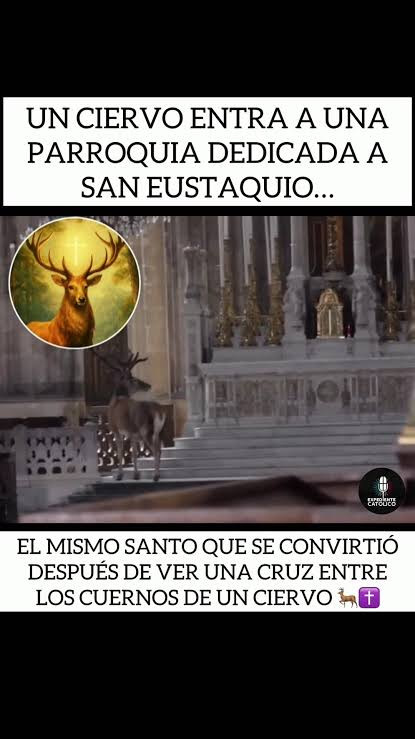
El corazón de París ha sido testigo de un suceso que parece desafiar las fronteras entre el mito, la fe y la realidad contemporánea. En los últimos días, un majestuoso ciervo bautizado por los presentes como "Chambord" cruzó las puertas de la histórica iglesia de Saint-Eustache, caminando con una solemnidad inusitada por la nave central hasta detenerse frente al altar mayor. Este acontecimiento ha conmovido profundamente a la capital francesa, reviviendo ecos de antiguas tradiciones y visiones místicas que entrelazan la figura del animal con el destino histórico de la nación.
El Eco del Milagro Original
La elección del escenario no podría ser más simbólica. La parroquia lleva el nombre de San Eustaquio, un general romano originalmente llamado Plácido, cuya vida cambió para siempre al encontrarse en un bosque con un gran ciervo que portaba un crucifijo luminoso entre sus astas. Aquella visión lo llevó a su inmediata conversión al cristianismo. Ver a un ciervo vivo de pie frente al altar de esta misma iglesia ha sido interpretado por muchos fieles y curiosos no como un simple accidente urbano, sino como un recordatorio palpable del milagro fundacional que da nombre al templo, uniendo el pasado místico con el presente de manera asombrosa.
La Verdadera Casa de Francia Oculta y el Último Rey
Más allá del simbolismo del santo romano, el nombre otorgado al animal, Chambord, invoca una de las narrativas más profundas de la historia monárquica. Hace resonar la memoria de Enrique, Conde de Chambord, conocido como el "niño del milagro" y portador de las últimas grandes esperanzas de la realeza francesa en el siglo XIX. Sin embargo, el majestuoso caminar de este ciervo frente al altar ha despertado de manera vibrante las antiguas profecías católicas sobre el Gran Monarca.
Según estas revelaciones escatológicas, la verdadera Casa de Francia se encuentra actualmente oculta. La tradición mística sostiene que el linaje legítimo ha sido preservado del mundo en el más estricto anonimato por designio providencial. Las profecías dictan que, llegado el momento de la restauración frente a la oscuridad de los tiempos, el Último Rey emergerá de este linaje velado no solo para instaurar el orden divino y la gloria de la nación, sino que su identidad será revelada y confirmada porque obrará milagros asombrosos, demostrando así su indiscutible mandato celestial ante la humanidad, y comenzará cuando el CIERVO REMEMORE LA LEYENDA.
Un Mensaje de Silencio y Majestad
Mientras las autoridades intentaban comprender cómo el animal llegó hasta el concurrido barrio de Les Halles y entró al recinto sagrado, los testigos presenciales describieron una atmósfera de absoluta reverencia. El ciervo permaneció inmóvil, observando el ábside con una tranquilidad sobrenatural antes de ser guiado de vuelta a un entorno seguro. Independientemente de si se interpreta como una simple anomalía de la naturaleza, una señal divina o el presagio del despertar de la sagrada herencia oculta de Francia, la visita del ciervo Chambord a Saint-Eustache ha dejado una marca indeleble, recordando a París que lo sagrado y lo misterioso aún pueden irrumpir de manera soberana en el mundo moderno.
------------------
The Rebirth of a Legend: The Deer Chambord at the Church of Saint-Eustache
The heart of Paris has witnessed an event that seems to defy the boundaries between myth, faith, and contemporary reality. In recent days, a majestic deer baptized by those present as "Chambord" crossed the doors of the historic church of Saint-Eustache, walking with unusual solemnity down the central nave until stopping in front of the high altar. This event has deeply moved the French capital, reviving echoes of ancient traditions and mystical visions that intertwine the figure of the animal with the historical destiny of the nation.
The Echo of the Original Miracle
The choice of the setting could not be more symbolic. The parish bears the name of Saint Eustace, a Roman general originally named Placidus, whose life changed forever upon encountering in a forest a great deer bearing a luminous crucifix between its antlers. That vision led to his immediate conversion to Christianity. Seeing a live deer standing before the altar of this very church has been interpreted by many faithful and onlookers not as a simple urban accident, but as a palpable reminder of the foundational miracle that gives the temple its name, astonishingly uniting the mystical past with the present.
The True Hidden House of France and the Last King
Beyond the symbolism of the Roman saint, the name bestowed upon the animal, Chambord, invokes one of the deepest narratives of monarchical history. It resonates with the memory of Henri, Count of Chambord, known as the "child of the miracle" and bearer of the last great hopes of French royalty in the 19th century. However, the majestic walk of this deer before the altar has vibrantly awakened the ancient Catholic prophecies about the Great Monarch.
According to these eschatological revelations, the true House of France is currently hidden. The mystical tradition holds that the legitimate lineage has been preserved from the world in the strictest anonymity by providential design. The prophecies dictate that, when the time for restoration arrives amidst the darkness of the times, the Last King will emerge from this veiled lineage not only to establish divine order and the glory of the nation, but his identity will be revealed and confirmed because he will perform astonishing miracles, thus demonstrating his indisputable heavenly mandate before humanity.
A Message of Silence and Majesty
While authorities tried to understand how the animal reached the bustling Les Halles district and entered the sacred enclosure, eyewitnesses described an atmosphere of absolute reverence. The deer remained motionless, observing the apse with supernatural tranquility before being guided back to a safe environment. Regardless of whether it is interpreted as a simple anomaly of nature, a divine sign, or the presage of the awakening of France's sacred hidden heritage, the visit of the deer Chambord to Saint-Eustache has left an indelible mark, reminding Paris that the sacred and the mysterious can still sovereignly intrude upon the modern world.