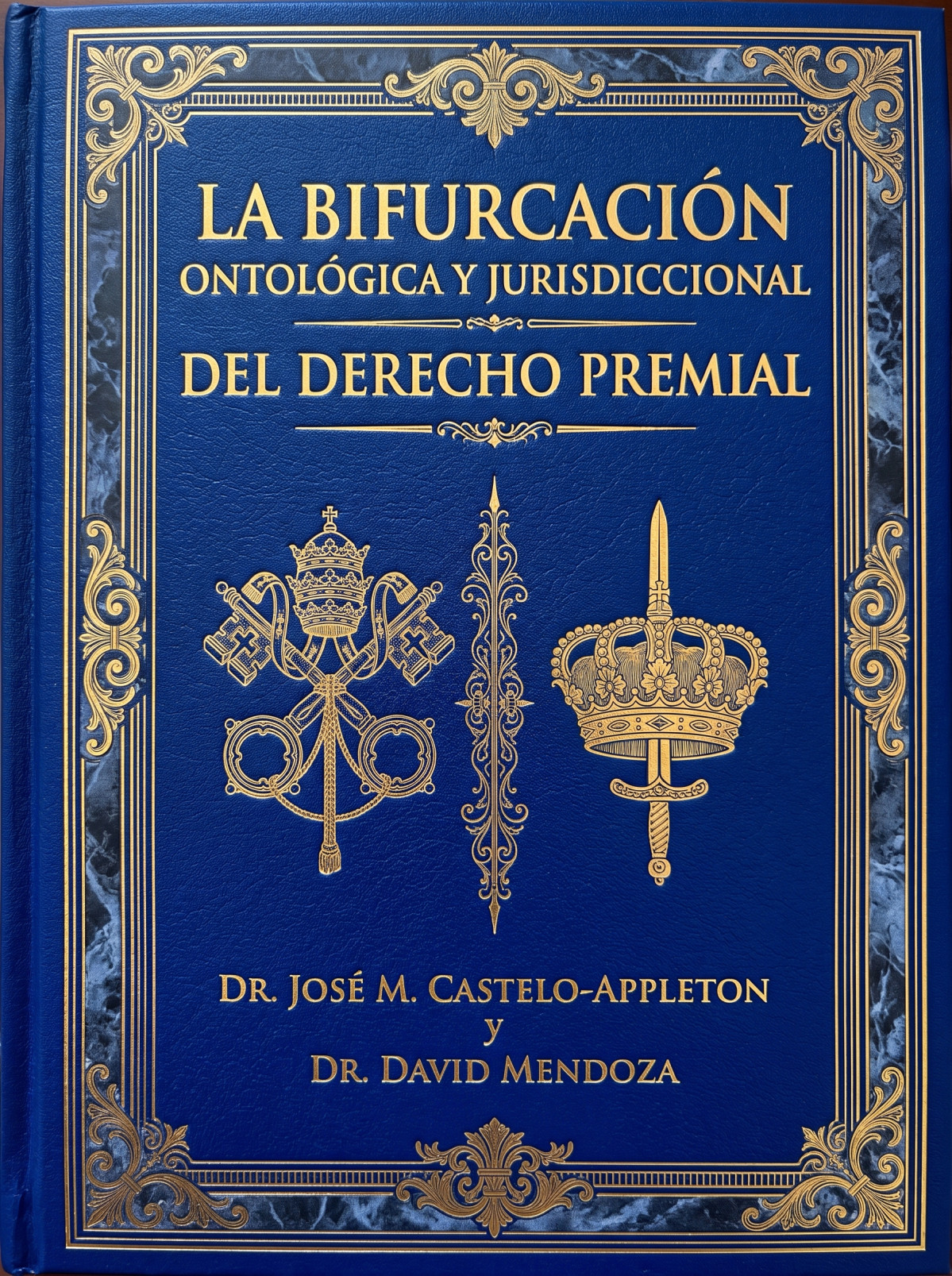
La Bifurcación Ontológica y Jurisdiccional del Derecho Premial
ART ESP / ING
El presente estudio aborda la problemática epistemológica, canónica e internacional-consuetudinaria derivada de la confusión doctrinal entre las órdenes ecuestres de colación pontificia y las órdenes dinástico-familiares custodiadas por casas soberanas históricas no reinantes. A través de un diseño metodológico dogmático-jurídico, histórico-comparado y hermenéutico documental, se analiza un corpus de ciento cuarenta y dos instrumentos normativos, pronunciamientos diplomáticos de la Secretaría de Estado de la Santa Sede, constituciones dinásticas y fallos jurisprudenciales internacionales emitidos entre 1905 y 2025. La investigación demuestra que el derecho premial contemporáneo se estructura sobre una bifurcación ontológica irreductible entre dos esferas de soberanía autónomas: por un lado, la potestad apostólica y estatal del Sumo Pontífice, circunscrita exclusivamente a las cinco órdenes ecuestres vaticanas y a las corporaciones bajo tutela directa de la Santa Sede; por otro, el fons honorum dinástico-sucesorio, configurado como una res incorporalis inmanente al patrimonio inmaterial de las dinastías históricas y regido por el derecho de gentes (ius gentium) y las leyes domésticas de cada Casa Soberana. Se concluye que las notas aclaratorias de la Curia Romana constituyen actos de delimitación competencial negativa destinados a proteger la propiedad intelectual e institucional del Estado de la Ciudad del Vaticano, careciendo de eficacia constitutiva, extintiva o reguladora sobre las órdenes de patronato real o familiar. Finalmente, se establece que someter la legitimidad de las corporaciones dinásticas al fuero canónico o administrativo eclesiástico incurre en un vicio de incompetencia ratione materiae y ratione personae.
----------------------
This study addresses the epistemological, canonical, and customary-international problems arising from doctrinal confusion between equestrian orders of pontifical collation and dynastic-family orders held by historical non-reigning sovereign houses. Employing a dogmatic-legal, comparative-historical, and hermeneutic-documentary methodological design, this research examines a corpus of one hundred and forty-two normative instruments, diplomatic statements from the Secretariat of State of the Holy See, dynastic constitutions, and international judicial rulings issued between 1905 and 2025. The investigation demonstrates that contemporary premial law is structured upon an irreducible ontological bifurcation between two autonomous spheres of sovereignty: on the one hand, the apostolic and state authority of the Supreme Pontiff, strictly circumscribed to the five Vatican equestrian orders and corporations under direct Holy See protection; on the other hand, the dynastic-succession fons honorum, configured as an inalienable res incorporalis inherent to the intangible heritage of historical dynasties and governed by the law of nations (ius gentium) and the domestic statutes of each Sovereign House. The study concludes that clarifying notes issued by the Roman Curia constitute acts of negative jurisdictional demarcation designed to protect the intellectual and institutional integrity of the State of Vatican City, devoid of any constitutive, extinctive, or regulatory efficacy over orders of royal or familial patronage. Finally, subjecting the validity of dynastic corporations to canonical or ecclesiastical administrative scrutiny constitutes an error of competence ratione materiae and ratione personae.