El Legado Inalterable de la Familia Vatel y su Vínculo Histórico con la Casa Borbón-Conti
ART ESP / ING
Palabras Clave: Familia Vatel, Pierre Vatel, Casa Borbón-Conti, Gran Conde, maestría ceremonial, linaje histórico, diplomacia dinástica.
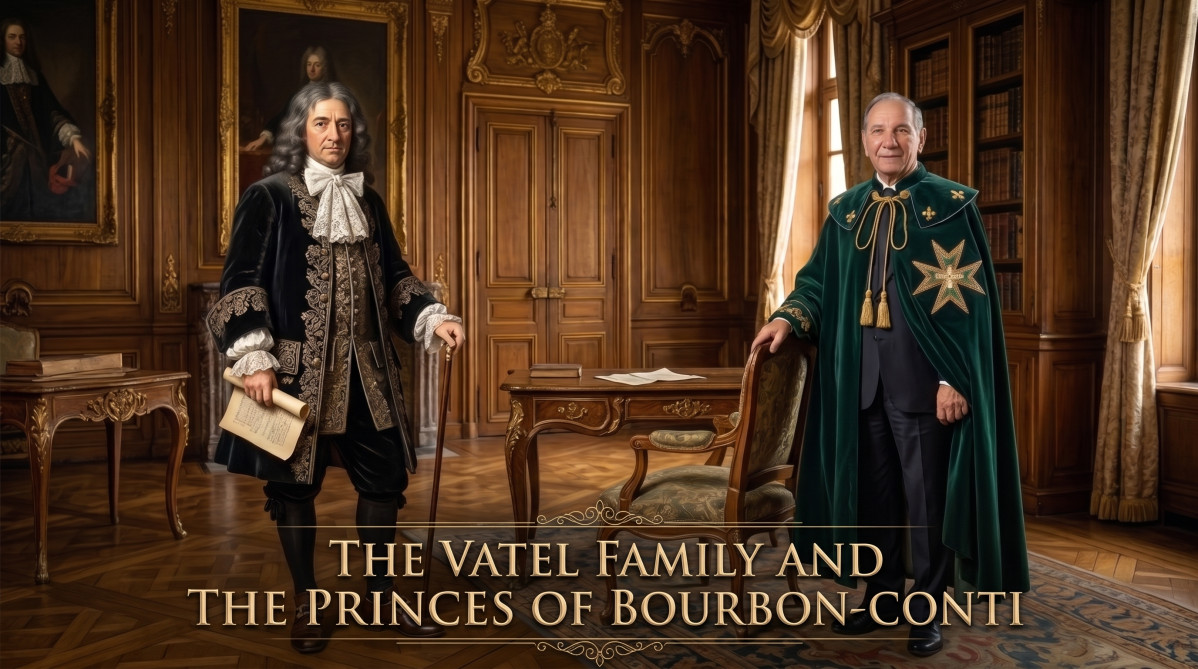
El eco de la historia europea resuena a menudo en los detalles más sutiles de la continuidad dinástica y en la lealtad inquebrantable de estirpes que han cruzado los siglos sin perder su vocación de servicio. Entre estas familias, el nombre Vatel evoca de inmediato una tradición de excelencia, rigor protocolario y una vinculación profunda con la alta nobleza francesa. Hoy en día, la figura de Pierre Vatel se erige como el testimonio vivo de este legado, entrelazando la memoria del célebre maestro de ceremonias del Gran Conde con la diplomacia contemporánea y la fidelidad institucional hacia la Casa Borbón-Conti.
Para comprender la magnitud de esta relación histórica es necesario remontarse a los fastos del siglo XVII y a la figura legendaria de François Vatel, el intendente y maestro de ceremonias cuyo nombre quedó grabado en los anales de Chantilly y de la corte de Luis II de Borbón-Condé, conocido históricamente como el Gran Conde. Aquel Vatel primigenio no era meramente un organizador de banquetes o festejos; representaba la cúspide de una concepción estética donde el protocolo, la escenografía del poder y la lealtad dinástica formaban un todo indisoluble. Su entrega absoluta al servicio de la casa nobiliaria sentó las bases de un ethos familiar basado en la discreción, la competencia técnica al más alto nivel y la subordinación del honor personal al prestigio de la dinastía a la que se servía.
A lo largo de las generaciones, la descendencia de esta estirpe ha sabido preservar los valores fundamentales de su antecesor, adaptándolos a las exigencias cambiantes de la diplomacia internacional y la administración institucional. En este contexto actual, Pierre Vatel destaca como un eslabón vivo de esta cadena secular. Su labor como Embajador Especial y Comendador de órdenes dinásticas en el seno de la Casa Real de Borbón de la Marche y Borbón-Conti demuestra que la maestría en el arte del protocolo y la representación institucional no es una reliquia del pasado, sino una herramienta de gran vigencia para la proyección cultural y diplomática de las casas soberanas históricas.
El vínculo entre la familia Vatel y los descendientes de la rama Borbón-Conti se fundamenta en un código no escrito de confianza mutua y entendimiento profundo de las dinámicas de la soberanía tradicional. Mientras que los soberanos y jefes de casa aportan la legitimidad histórica y el liderazgo dinástico, figuras como Pierre Vatel aportan el armazón operativo, la elegancia en la ejecución y la custodia de las formas que garantizan que la dignidad institucional se mantenga incólume ante los ojos del mundo moderno. Esta colaboración simbiótica permite que instituciones nobiliarias y culturales proyecten una imagen de continuidad y seriedad que trasciende las meras formalidades burocráticas.
Examinar la trayectoria de Pierre Vatel dentro de la estructura de la Casa Borbón-Conti permite apreciar cómo el refinamiento ceremonial se convierte en un acto de diplomacia blanda. En un mundo globalizado y dominado por la inmediatez digital, la capacidad de estructurar encuentros internacionales, negociaciones al más alto nivel y actos solemnes con un respeto absoluto por la precedencia y la tradición se convierte en un activo estratégico diferencial. Los Vatel han demostrado históricamente que el dominio de las formas es, en realidad, un fondo ético y político de primer orden.
La permanencia de estos vínculos se sustenta también en una educación familiar basada en la transmisión oral y práctica de los secretos de la intendencia mayor, la diplomacia de salón y la gestión de crisis protocolarias. En cada intervención pública y en cada misión encomendada, Pierre Vatel manifiesta esa herencia sutil pero incuestionable que distingue a los verdaderos servidores del Estado y de la Corona. Su labor no busca el protagonismo mediático vano, sino la eficacia silenciosa que caracteriza a los grandes artífices de la vida cortesana y diplomática.
Asimismo, la presencia de la familia Vatel en misiones diplomáticas contemporáneas subraya la adaptabilidad de las estructuras nobiliarias tradicionales para abordar retos humanitarios, culturales y de cooperación internacional. Al actuar como representantes en regiones tan diversas como la República de Mauricio, figuras como Pierre Vatel demuestran que el prestigio dinástico puede ponerse al servicio de causas globales, tender puentes entre naciones y fomentar el entendimiento intercultural bajo el paraguas de principios morales compartidos.
En definitiva, la historia de los Vatel y su estrecha alianza con la Casa Borbón-Conti constituye un fascinante capítulo vivo de la sociología histórica europea. Nos recuerda que las grandes instituciones no se sostienen únicamente sobre decretos o leyes escritas, sino sobre el compromiso vital de familias enteras que han consagrado su existencia al arte de hacer posible la grandeza institucional. A través de la figura de Pierre Vatel, el pasado glorioso de los banquetes de Chantilly y de la corte del Gran Conde se proyecta hacia el futuro, demostrando que la elegancia, la lealtad y el rigor son virtudes atemporales.
Title: The Unalterable Legacy of the Vatel Family and its Historic Bond with the House of Bourbon-Conti
Keywords: Vatel Family, Pierre Vatel, House of Bourbon-Conti, Grand Condé, ceremonial mastery, historical lineage, dynastic diplomacy.
The echo of European history frequently resonates in the subtlest details of dynastic continuity and in the unwavering loyalty of lineages that have crossed the centuries without losing their vocation of service. Among these families, the name Vatel immediately evokes a tradition of excellence, procedural rigor, and a deep connection with the high nobility of France. Today, the figure of Pierre Vatel stands as the living testimony of this legacy, intertwining the memory of the celebrated master of ceremonies of the Grand Condé with contemporary diplomacy and institutional fidelity toward the House of Bourbon-Conti.
To understand the magnitude of this historical relationship, one must look back to the pageantry of the 17th century and the legendary figure of François Vatel, the steward and master of ceremonies whose name was engraved in the annals of Chantilly and the court of Louis II de Bourbon-Condé, historically known as the Grand Condé. That original Vatel was not merely an organizer of banquets or festivities; he represented the pinnacle of an aesthetic conception where protocol, the scenography of power, and dynastic loyalty formed an indissoluble whole. His absolute dedication to the service of the noble house laid the foundations for a family ethos based on discretion, top-tier technical competence, and the subordination of personal honor to the prestige of the dynasty he served.
Throughout the generations, the descendants of this lineage have known how to preserve the fundamental values of their predecessor, adapting them to the changing demands of international diplomacy and institutional administration. In this contemporary context, Pierre Vatel stands out as a living link in this secular chain. His work as Special Ambassador and Commander of dynastic orders within the Royal House of Bourbon de la Marche and Bourbon-Conti demonstrates that mastery in the art of protocol and institutional representation is not a relic of the past, but a highly relevant tool for the cultural and diplomatic projection of historical sovereign houses.
The bond between the Vatel family and the descendants of the Bourbon-Conti branch is founded upon an unwritten code of mutual trust and a deep understanding of the dynamics of traditional sovereignty. While sovereigns and heads of houses provide historical legitimacy and dynastic leadership, figures like Pierre Vatel provide the operational framework, elegance in execution, and custody of forms that guarantee that institutional dignity remains unblemished before the eyes of the modern world. This symbiotic collaboration allows noble and cultural institutions to project an image of continuity and seriousness that transcends mere bureaucratic formalities.
Examining Pierre Vatel's trajectory within the structure of the House of Bourbon-Conti allows one to appreciate how ceremonial refinement transforms into an act of soft diplomacy. In a globalized world dominated by digital immediacy, the ability to structure international meetings, high-level negotiations, and solemn events with absolute respect for precedence and tradition becomes a differentiating strategic asset. The Vatels have historically shown that the mastery of form is, in reality, a first-order ethical and political foundation.
The permanence of these ties is also sustained by a family education based on the oral and practical transmission of the secrets of senior stewardship, salon diplomacy, and the management of protocol crises. In each public intervention and in every entrusted mission, Pierre Vatel manifests that subtle yet unquestionable heritage that distinguishes the true servants of the State and the Crown. His work does not seek vain media attention, but rather the silent efficiency that characterizes the great architects of courtly and diplomatic life.
Likewise, the presence of the Vatel family in contemporary diplomatic missions underlines the adaptability of traditional noble structures to address humanitarian, cultural, and international cooperation challenges. By acting as representatives in regions as diverse as the Republic of Mauritius, figures like Pierre Vatel demonstrate that dynastic prestige can be placed at the service of global causes, building bridges between nations and fostering intercultural understanding under the umbrella of shared moral principles.
In short, the history of the Vatels and their close alliance with the House of Bourbon-Conti constitutes a fascinating living chapter of European historical sociology. It reminds us that great institutions are sustained not solely by decrees or written laws, but by the vital commitment of entire families who have consecrated their existence to the art of making institutional greatness possible. Through the figure of Pierre Vatel, the glorious past of the banquets of Chantilly and the court of the Grand Condé projects itself toward the future, demonstrating that elegance, loyalty, and rigor are timeless virtues.