El Veredicto de la Sangre y el Legado de los Borbones: Entre la Genética y la Historia
ART ESP / ING
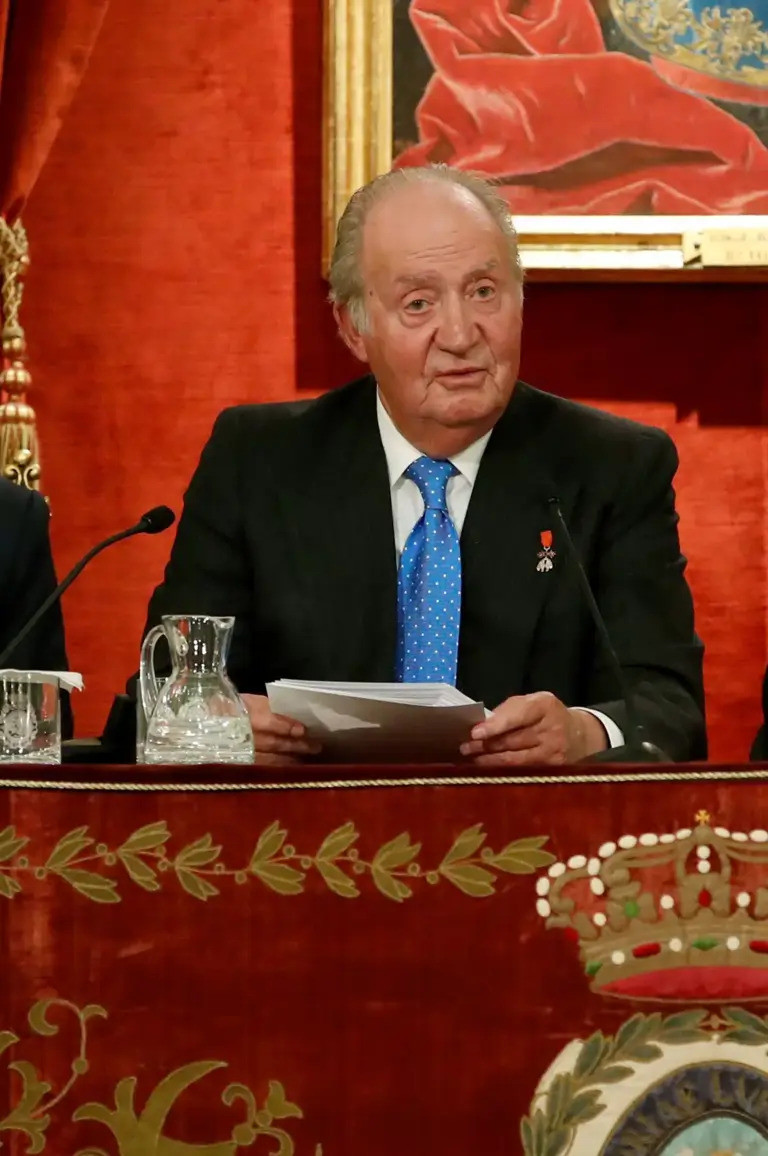
Catorce años después de los primeros compases de un reclamo que ha sobrevolado constantemente los muros del Palacio de la Zarzuela, el pasado alcanza a la institución. La reanudación del procedimiento de paternidad contra Juan Carlos I plantea un escenario que trasciende la crónica judicial para adentrarse en los cimientos mismos de la legitimidad dinástica. Se exige someter al monarca emérito —quien accedió a la Jefatura del Estado como sucesor a título de rey por voluntad de Francisco Franco, y no mediante la tradicional invocación a la gracia de Dios o la estricta continuidad dinástica inicial— al inexorable escrutinio de la ciencia forense moderna para responder al reclamo de quien, con tenacidad, reivindica su identidad filial.
El requerimiento de una prueba de ADN abre una incógnita de proporciones históricas incalculables. La Casa de Borbón, en su ininterrumpida sucesión de varones desde el rey Enrique IV de Francia, ha transmitido teóricamente un sello biológico inconfundible: un haplogrupo específico del cromosoma Y que vertebra el linaje de los Capetos. ¿Qué sucedería, entonces, si el resultado científico demostrara que Juan Carlos I carece de esta firma genética, de esa supuesta anomalía o marcador que hermana a los varones de la estirpe?
La constatación de una ruptura en la cadena agnaticia supondría un terremoto para la mística de la realeza española. Confirmaría de manera irrefutable los persistentes rumores que durante más de un siglo han rodeado la corte de la reina Isabel II, validando la tesis de que la línea biológica patrilineal de los Borbones se quebró antes de la concepción de Alfonso XII. Si bien en la España contemporánea la legitimidad de la Corona emana estrictamente del pacto constitucional de 1978, la desposesión del vínculo carnal directo con los fundadores de la dinastía representaría un golpe devastador al relato histórico, despojando a la actual Familia Real del aura de antigüedad ininterrumpida en la que basan gran parte de su simbolismo.
Sin embargo, cabe plantear un ejercicio de historia contrafactual: ¿qué sucedería si este testimonio genético no existiera, si la ciencia no poseyera las herramientas para desenmascarar los secretos de la alcoba real? Para responder a esta disyuntiva, es menester sumergirse en la profunda tradición jurídica y política de la Casa de Borbón.
A lo largo de los siglos, la monarquía europea no cimentó su supervivencia en la biología pura, sino en la solidez de sus instituciones, las Pragmáticas Sanciones y el sagrado sacramento del matrimonio. El pilar fundamental que blindaba a las dinastías frente a las debilidades humanas era la máxima jurídica del derecho romano: "pater est quem nuptiae demonstrant" (el padre es quien demuestra el matrimonio). Esta ficción legal establecía una presunción de legitimidad inquebrantable, diseñada no para honrar la verdad biológica, sino para garantizar la paz del reino, la estabilidad del Estado y la sucesión pacífica.
Si el recurso del ADN no fuera una realidad palpable, el reclamo actual sería tratado por los herederos del trono y la corte con el mismo distanciamiento altivo con el que se manejaron los innumerables casos de bastardía real a lo largo de los siglos. La demandante quedaría relegada a la vasta historiografía de los hijos naturales no reconocidos, cuyas voces eran sistemáticamente silenciadas por la razón de Estado y la inexpugnabilidad institucional de la Corona. La "verdad" seguiría siendo un monopolio de los documentos oficiales y los registros eclesiásticos, inmune a las reivindicaciones personales.
Hoy, la monarquía asiste al crepúsculo de sus misterios. La paradoja de un rey que consolidó su poder al amparo del pragmatismo político del siglo XX, y que ahora se ve acorralado por la precisión de la biología del siglo XXI, ilustra el inexorable cambio de paradigma. La sangre, que durante milenios operó como una metáfora divina de derecho y deber, se ha reducido a una estricta secuencia de ácidos nucleicos capaz, en su implacable objetividad, de reescribir la historia de una de las dinastías más antiguas de Europa.
--------------------
The Verdict of Blood and the Legacy of the Bourbons: Between Genetics and History
Fourteen years after the first movements of a claim that has constantly hovered over the walls of the Zarzuela Palace, the past has caught up with the institution. The resumption of the paternity suit against Juan Carlos I presents a scenario that transcends judicial chronicles to delve into the very foundations of dynastic legitimacy. It demands subjecting the emeritus monarch—who acceded to the Head of State as successor with the title of king by the will of Francisco Franco, rather than through the traditional invocation of the grace of God or strict initial dynastic continuity—to the inexorable scrutiny of modern forensic science in order to answer the claim of someone who tenaciously vindicates her filial identity.
The requirement of a DNA test opens up an unknown of incalculable historical proportions. The House of Bourbon, in its uninterrupted male succession since King Henry IV of France, has theoretically transmitted an unmistakable biological seal: a specific Y-chromosome haplogroup that forms the backbone of the Capetian lineage. What would happen, then, if the scientific result were to demonstrate that Juan Carlos I lacks this genetic signature, this supposed anomaly or marker that unites the males of the lineage?
The confirmation of a rupture in the agnatic chain would mean an earthquake for the mystique of Spanish royalty. It would irrefutably confirm the persistent rumors that have surrounded the court of Queen Isabella II for over a century, validating the thesis that the patrilineal biological line of the Bourbons was broken prior to the conception of Alfonso XII. Although in contemporary Spain the legitimacy of the Crown emanates strictly from the constitutional pact of 1978, the dispossession of the direct flesh-and-blood link with the founders of the dynasty would represent a devastating blow to the historical narrative, stripping the current Royal Family of the aura of uninterrupted antiquity upon which they base much of their symbolism.
However, it is worth proposing an exercise in counterfactual history: what would happen if this genetic testimony did not exist, if science did not possess the tools to unmask the secrets of the royal bedchamber? To answer this dilemma, one must delve into the deep legal and political tradition of the House of Bourbon.
Over the centuries, the European monarchy did not cement its survival on pure biology, but rather on the solidity of its institutions, the Pragmatic Sanctions, and the sacred sacrament of marriage. The fundamental pillar that shielded dynasties against human frailties was the legal maxim of Roman law: "pater est quem nuptiae demonstrant" (the father is he whom the marriage demonstrates). This legal fiction established an unbreakable presumption of legitimacy, designed not to honor biological truth, but to guarantee the peace of the realm, the stability of the State, and a peaceful succession.
If the recourse to DNA were not a tangible reality, the current claim would be treated by the heirs to the throne and the court with the same haughty detachment with which the countless cases of royal bastardy were handled throughout the centuries. The claimant would be relegated to the vast historiography of unrecognized natural children, whose voices were systematically silenced by reasons of State and the institutional impregnability of the Crown. The "truth" would remain a monopoly of official documents and ecclesiastical records, immune to personal vindications.
Today, the monarchy is witnessing the twilight of its mysteries. The paradox of a king who consolidated his power under the protection of 20th-century political pragmatism, and who now finds himself cornered by the precision of 21st-century biology, illustrates the inexorable paradigm shift. Blood, which for millennia operated as a divine metaphor for right and duty, has been reduced to a strict sequence of nucleic acids capable, in its relentless objectivity, of rewriting the history of one of the oldest dynasties in Europe.