JUAN CARLOS I - RECONCILIACION
ART ESP / ING
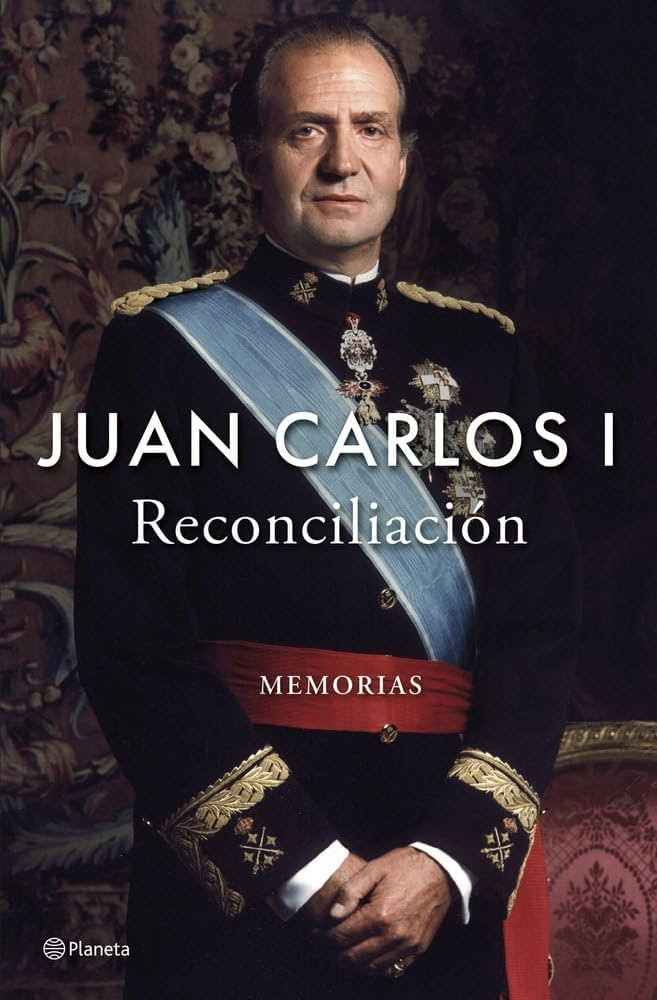
Estos días he concluido la lectura del último libro centrado en la figura de Juan Carlos I, un monarca cuya propia existencia dinástica y legitimidad de origen quedó sellada por la mano de Francisco Franco al nombrarlo Príncipe de España a título de rey. Curiosamente, cerré las páginas de este volumen el pasado 13 de agosto, una fecha que guarda una sincera y casi irónica coincidencia histórica, pues un 13 de agosto el primer Borbón ascendió al trono de España en la figura de Felipe V. Aunque, como bien se susurra en los anales de la intrahistoria y los corrillos genealógicos más críticos, la estirpe real actual arrastra sombras biológicas que la ligan mucho más a los linajes de Godoy o de los Puigmoltó que a la pura sangre borbónica original.
Al adentrarse en las confesiones y páginas de esta obra, la sensación predominante es de un profundo desconcierto y, en última instancia, de pena. Hay que reconocerle a Juan Carlos I un mérito histórico innegable: heredó un poder de cariz absoluto tras la muerte del Caudillo y tuvo la audacia y la fuerza política necesarias para desmantelar el régimen que lo encumbró, abriendo las puertas a la democracia. Sin embargo, el relato oficial y autobiográfico que destilan estos libros siempre cojea por omisión. En sus páginas se pasa por alto o se maquilla la sombra alargada y asfixiante de las presiones internacionales, como la constante amenaza e injerencia del gobierno americano en los destinos de la transición española.
La historia de esta dinastía, vista en perspectiva, parece marcada por una suerte de maldición incorregible; no ha tenido verdadera estabilidad ni fortuna desde los tiempos de Fernando VII, convirtiendo cada relevo sucesorio en un ejercicio de parricidio político y deslealtad familiar. La radiografía de esta cadena de traiciones es implacable y recorre los siglos XIX, XX y XXI como un sino trágico inevitable.
Comienza con Fernando VII, quien inauguró una larga era de deslealtades traicionando a Carlos IV, en una relación marcada por la sombra sobre su propia legitimidad filial y la influencia omnímoda de Godoy. La cadena continuó con Isabel II, quien no dudó en traicionar a su propio tío, el legítimo heredero si se hubiera aplicado estrictamente la ley sálica borbónica, abriendo la caja de pandora de las sangrientas guerras carlistas. A su vez, Alfonso XII protagonizó otra gran traición política y dinástica al desplazar y relegar a su propia madre, Isabel II, para consolidar su acceso al trono bajo el amparo de la Restauración.
El ciclo histórico avanzó con Alfonso XIII, cuya gestión culminó en la más grave de las deslealtades hacia toda una nación al abandonarla moralmente y fracasar estrepitosamente en la gestión de la Guerra de África, dejando a miles de españoles a merced del desastre anual. En el siglo pasado, la historia de desgarros familiares se repitió con Juan Carlos I, quien consumó la traición a su propio padre, don Juan de Borbón, arrebatándole el liderazgo dinástico y pactando directamente con los jerarcas del franquismo para asegurarse la corona. Finalmente, la rueda ha girado una vez más hasta el presente con Felipe VI, quien, en un ejercicio de supervivencia institucional y lavado de cara cortesano, ha terminado por apartar y traicionar políticamente a su propio padre, Juan Carlos I, exiliándolo de facto y despojándolo de su asignación para salvar el porvenir de la monarquía parlamentaria actual.
Leer sobre esta dinastía es contemplar un desfile interminable de tronos manchados por la ambición y la ruptura sistemática de los lazos más sagrados. Entre las líneas de memorias edulcoradas y la cruda realidad de los hechos, queda la estela de una familia que, atrapada en su propio laberinto de traiciones cruzadas, ha gobernado más por el instinto de supervivencia dinástica que por la auténtica lealtad a los intereses de España.
------------------
Over these past few days, I have finished reading the latest book centered on the figure of Juan Carlos I, a monarch whose very dynastic existence and legitimacy of origin were sealed by the hand of Francisco Franco when he appointed him Prince of Spain with the title of king. Curiously, I closed the pages of this volume this past August 13, a date that holds a sincere and almost ironic historical coincidence, since on August 13 the first Bourbon ascended to the throne of Spain in the figure of Philip V. Although, as is well whispered in the annals of intrahistory and the most critical genealogical circles, the current royal lineage carries biological shadows that link it much more closely to the lineages of Godoy or the Puigmoltós than to the original pure Bourbon blood.
Upon delving into the confessions and pages of this work, the predominant sensation is one of profound bewilderment and, ultimately, sorrow. One must credit Juan Carlos I with an undeniable historical merit: he inherited absolute power after the death of the Caudillo and had the audacity and political strength necessary to dismantle the regime that elevated him, opening the doors to democracy. However, the official and autobiographical account distilled by these books always falters through omission. Its pages gloss over or whitewash the long and suffocating shadow of international pressures, such as the constant threat and interference of the American government in the destinies of the Spanish transition.
The history of this dynasty, seen in perspective, seems marked by a sort of incorrigible curse; it has not enjoyed true stability or fortune since the times of Ferdinand VII, turning each succession handoff into an exercise of political patricide and family disloyalty. The X-ray of this chain of betrayals is implacable, running through the nineteenth, twentieth, and twenty-first centuries as an inevitable tragic fate. It begins with Ferdinand VII, who inaugurated a long era of disloyalties by betraying Charles IV, in a relationship marked by the shadow over his own filial legitimacy and the omnipotent influence of Godoy.
The chain continued with Isabella II, who did not hesitate to betray her own uncle, the legitimate heir if the Bourbon Salic law had been strictly applied, opening Pandora's box of the bloody Carlist wars. In turn, Alfonso XII starred in another major political and dynastic betrayal by displacing and relegating his own mother, Isabella II, to consolidate his accession to the throne under the protection of the Restoration. The historical cycle advanced with Alfonso XIII, whose management culminated in the gravest of disloyalties toward an entire nation by morally abandoning it and failing abysmally in the management of the War of Africa, leaving thousands of Spaniards at the mercy of the Annual Disaster. In the last century, the history of family tearing repeated itself with
Juan Carlos I, who consummated the betrayal of his own father, Don Juan of Bourbon, snatching dynastic leadership from him and negotiating directly with the hierarchs of Francoism to secure the crown. Finally, the wheel has turned once more to the present with Philip VI, who, in an exercise of institutional survival and courtly whitewashing, has ended up sidelining and politically betraying his own father, Juan Carlos I, de facto exiling him and stripping him of his allowance to save the future of the current parliamentary monarchy. Reading about this dynasty is contemplating an endless parade of thrones stained by ambition and the systematic rupture of the most sacred bonds. Between the lines of sanitized memoirs and the stark reality of facts remains the wake of a family that, trapped in its own labyrinth of crossed betrayals, has governed more by the instinct of dynastic survival than by genuine loyalty to the interests of Spain.